Compare learning activities · A guide for adults
Does a more detailed plan always help?
A weekly overview, a one-day plan and a timetable serve different purposes. Compare these Japanese printable formats with the amount of detail a learner needs.
See levels, routes and learning goals
Choose by the skill being explored. HOP, STEP and JUMP describe Chicodori content levels, not overseas school grades. The branch descriptions explain what to look for in each activity.
HOP · MathMeasurement
Choose a branch to open the activities and teaching notes.
 Planning a day
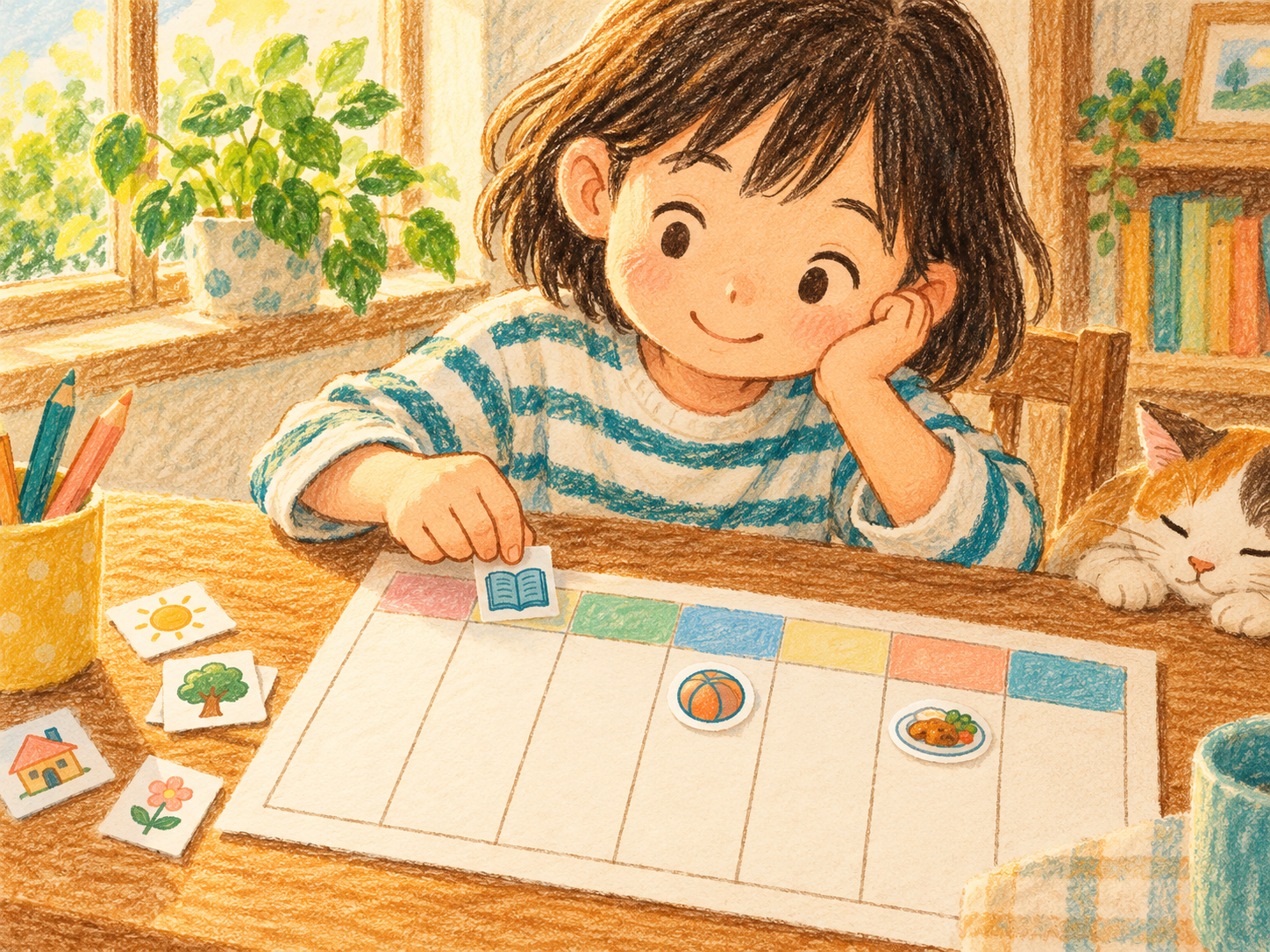
 See the big pictureLook across a weekExplore the activities +
 Focus on todayChoose a manageable daily focusExplore the activities +
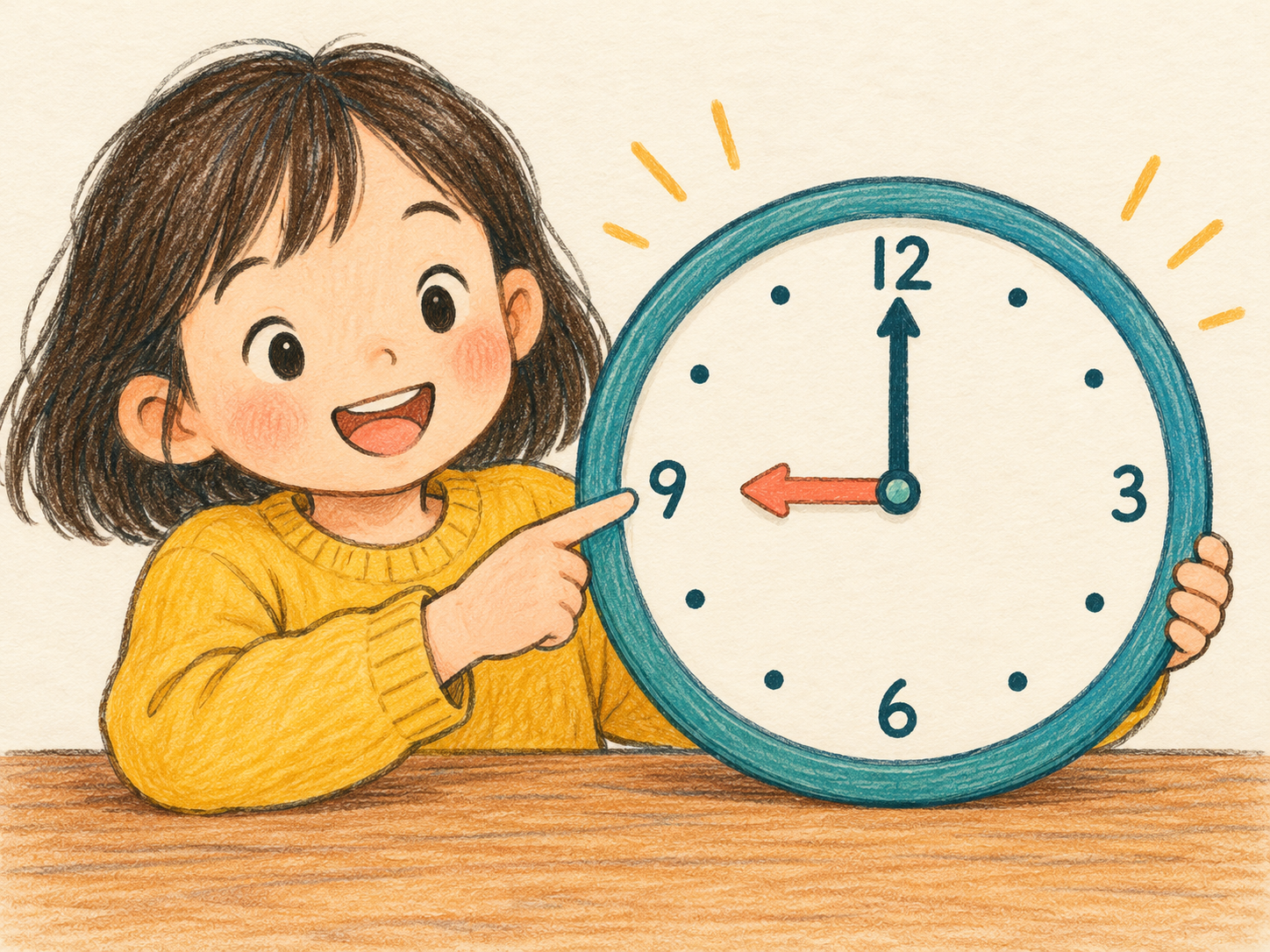
 Plan by timeConnect activities with clock timesExplore the activities +
3 activities or resources to compare.
Choose a useful amount of detail
A plan is helpful when it makes commitments and available time visible. Start with a format that the learner can read, use and review. The downloadable sheets currently contain Japanese labels.