Reflecting beyond “I finished”

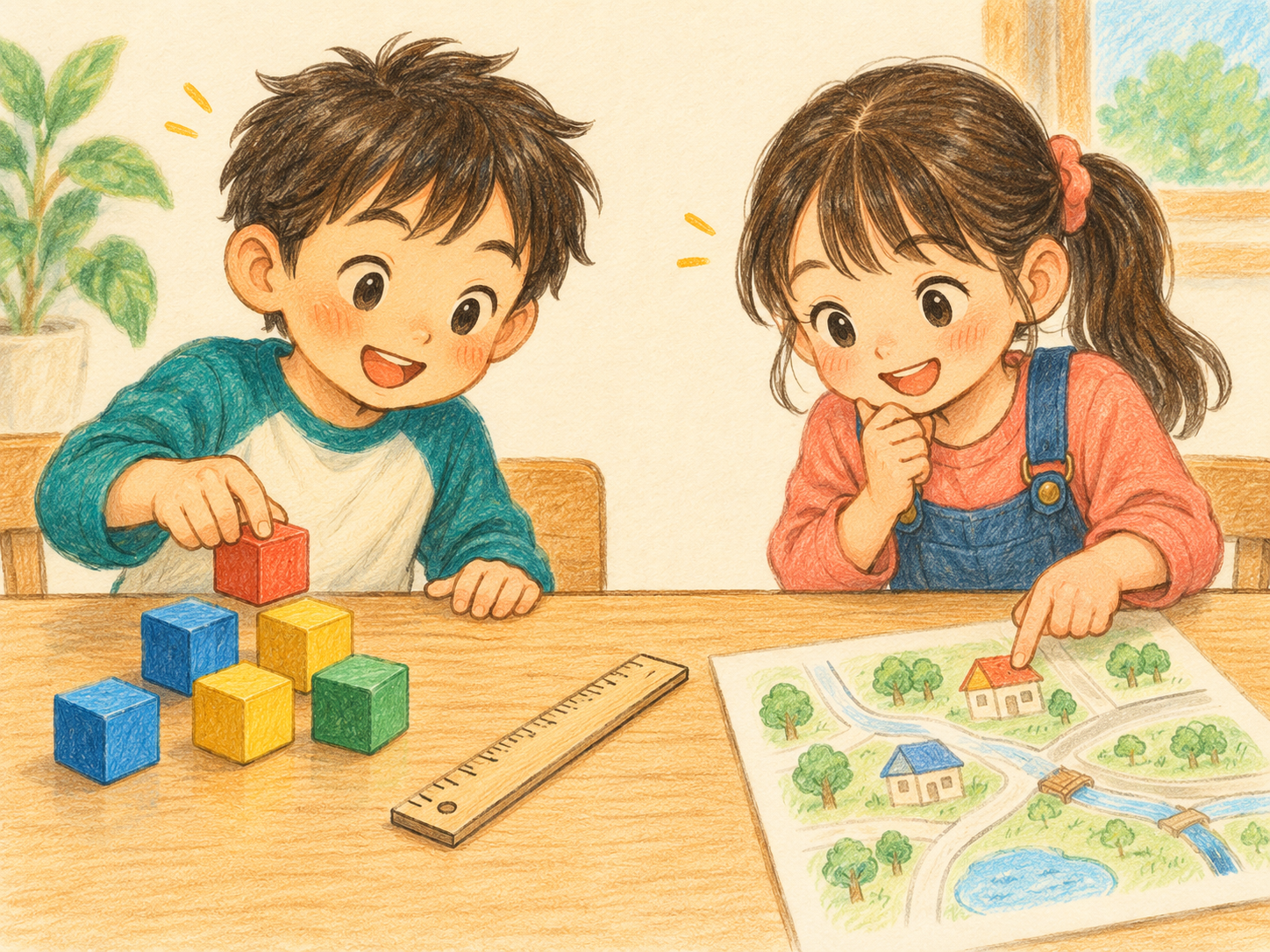
子どもたちが、積み木、ものさし、地図を見ながら次の遊びを選んでいる色鉛筆イラスト。

Compare learning activities · A guide for adults

Reflecting beyond “I finished”

Choose a familiar activity, then look at the thinking behind an answer. Review can connect number situations, units, listening and maps without treating every topic as a new lesson.

See levels, routes and learning goals

Choose by the skill being explored. HOP, STEP and JUMP describe Chicodori content levels, not overseas school grades. The branch descriptions explain what to look for in each activity.

HOP · MathNumbers & place value
HOP · MathCalculation
HOP · MathMeasurement
HOP · JapaneseSpeaking & listening
HOP · JapaneseUsing information
STEP · Social StudiesMaps & geography

Choose a branch to open the activities and teaching notes.
9 activities or resources to compare.

An answer and the thinking behind it

Instead of checking only completion, ask what the learner noticed, how a choice was made and which part remains uncertain. The HOP and STEP groups reflect content, not overseas school grades.
Where to explore next

Find another activity guide

HOP · Numbers

Connect situations and calculations

Think with Groups of Numbers

Connect a number situation with an expression

Choose combining, splitting or increasing quantities and compare the situations, even when the totals are the same.

What to look for
How do actions in the picture connect with numbers and expressions?
Where it can lead
The meanings of addition and subtraction.

Addition

Choose a useful practice range

Compare practice with a fixed addend and practice with mixed numbers.

What to look for
Which number combinations lead the learner to change strategy?
Where it can lead
Reviewing calculation strategies.

Subtraction

Select a useful subtraction range

Choose a fixed amount to subtract. Leave unfamiliar ranges for later.

What to look for
Does the learner connect the calculation with a decreasing quantity?
Where it can lead
The meaning and calculation of subtraction.

HOP · Apply ideas

Use clues and compare units

Where Are They?

Combine spoken clues about a person

Use conditions such as colors and carried objects together.

What to look for
How are relevant clues heard and combined?
Where it can lead
Selecting useful information.

Units of Length

Express one length in another unit

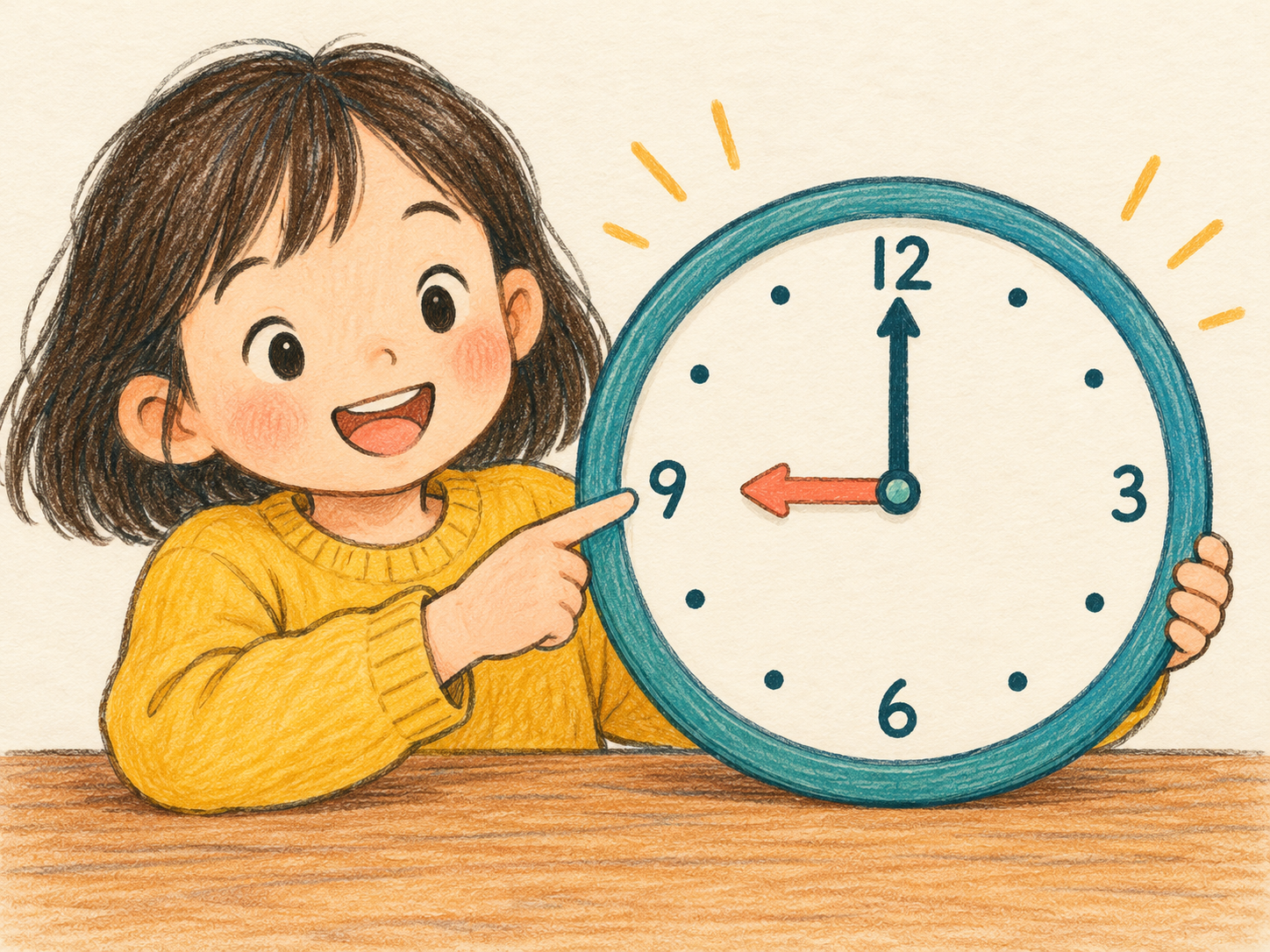
Review relationships between mm, cm and m through several conversion practices.

What to look for
Does the learner recognize that the length stays the same when the unit changes?
Where it can lead
Estimating length and converting units.

Units of Capacity

Represent a volume in another unit

Compare L, dL and mL in several conversion practices.

What to look for
Can the learner connect unit relationships with the size of a quantity?
Where it can lead
Capacity and unit conversion.

STEP · Maps

Explain positions and symbols

Positions & Directions

Describe a place from a reference point

Compare using grid references with using north, south, east and west.

What to look for
What is the reference used to describe the position?
Where it can lead
Reading maps.

Map Symbols

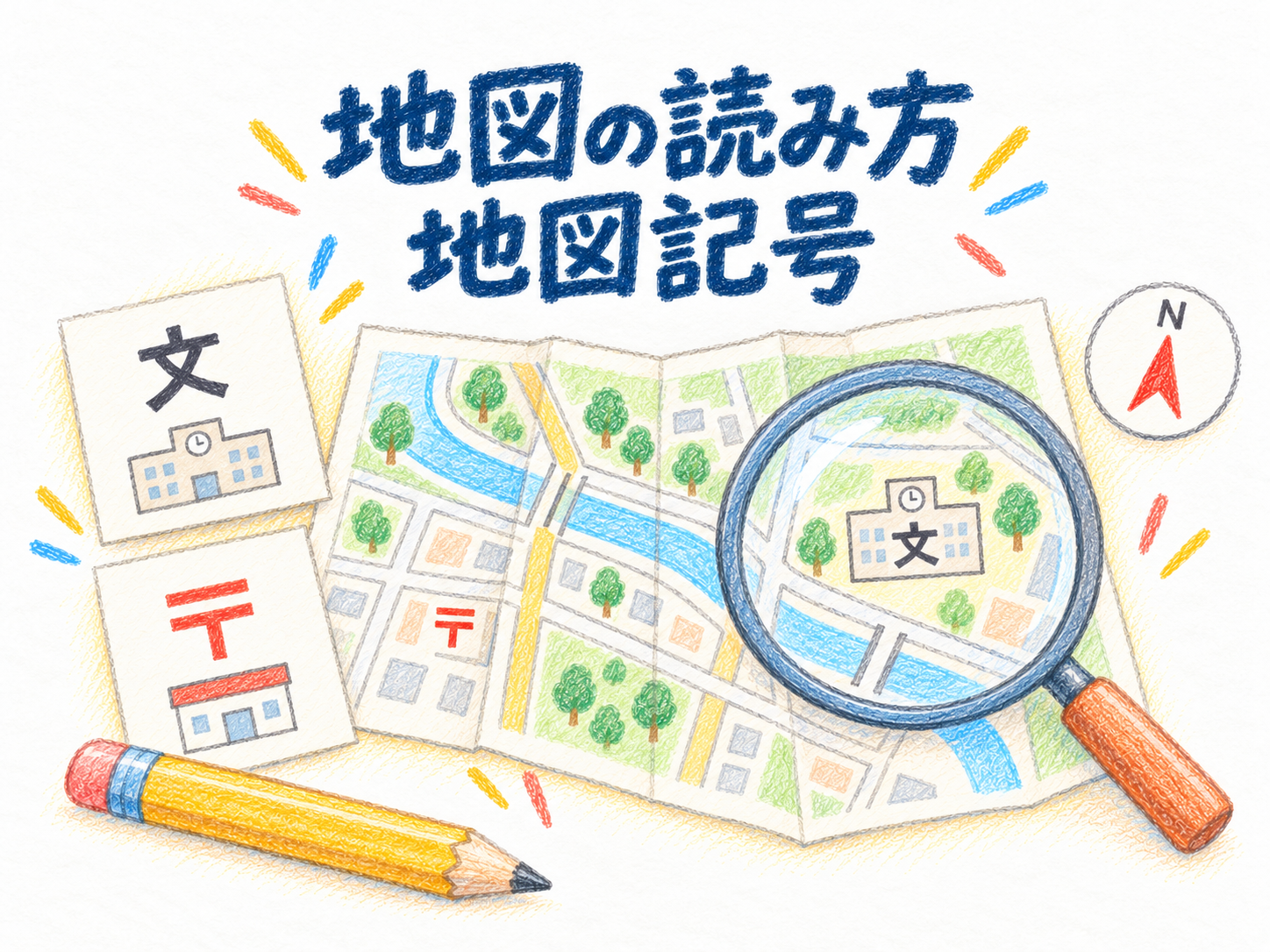
Connect a symbol with its meaning

Switch between choosing a name for a Japanese map symbol and choosing a symbol for a name.

What to look for
Does the shape of the symbol connect with what it represents?
Where it can lead
Reading information from maps.

Map Symbol Memory

Remember and match symbols

Remember Japanese map symbols and find a matching pair.

What to look for
How does recognizing a shape differ from explaining its meaning?
Where it can lead
Distinguishing symbols and reviewing familiar ones.

送信中です

×

Leave a Reply